
0
$0.00
0 items
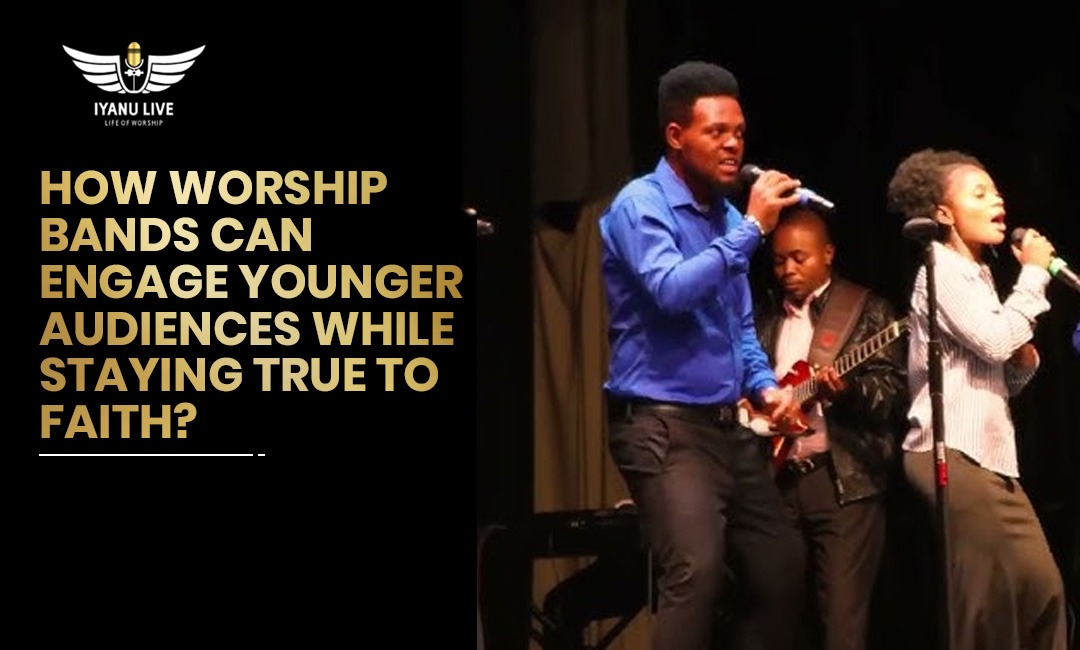
In today’s fast-changing digital world, worship bands face a unique challenge: how to connect with younger audiences while remaining rooted in biblical truth and spiritual authenticity. Young people are seeking meaning, community, and experiences that feel real—not rehearsed or overly traditional. At the same time, the heart of worship must always remain focused on glorifying God rather than entertainment alone. Striking this balance is not only possible but essential for the future of faith-based music and ministry.
Younger audiences—especially Gen Z and Millennials—value authenticity above all else. They are drawn to worship that feels honest, relatable, and emotionally engaging. Worship bands that openly share testimonies, struggles, and faith journeys create a deeper connection than those who rely solely on performance.
This generation also consumes music differently. They discover worship songs on streaming platforms, social media reels, and live events like a Christian music concert, rather than traditional church-only settings. Understanding where young people are and how they engage with content is the first step toward meaningful outreach.
One of the most effective ways to engage younger listeners is through contemporary musical styles. This doesn’t mean compromising theology—it means presenting eternal truths through sounds that resonate today. Genres like pop, indie, soft rock, EDM-inspired worship, and even lo-fi praise can be powerful tools when the lyrics remain Christ-centered.
Many successful worship bands blend modern arrangements with scripture-based lyrics, ensuring that while the sound evolves, the message stays rooted in faith. When young people attend a Christian music concert that reflects their musical tastes while still leading them into worship, the experience becomes both enjoyable and spiritually impactful.
Younger audiences are drawn to experiences that make them feel involved rather than passive. Worship bands can encourage participation through call-and-response moments, interactive prayer segments, or short reflections between songs. This approach transforms a concert into a shared spiritual journey.
Live worship events, youth nights, and open-air praise gatherings help create spaces where faith feels alive and communal. When churches or organizers book gospel music concert events with this mindset, they create opportunities for worship bands to minister beyond Sunday services and reach young hearts more effectively.
Social media plays a huge role in how younger audiences connect with worship music. Platforms like Instagram, YouTube, and Spotify allow worship bands to share behind-the-scenes moments, devotionals, acoustic sessions, and testimonies. These glimpses into real life build trust and relatability.
Short worship clips, reels, and live-streamed praise sessions can spark curiosity and encourage young people to attend live events. A strong digital presence also helps promote upcoming Christian music concert events and makes it easier for churches and ministries to book gospel music concert programs that attract youth participation.
While adapting to modern trends, worship bands must stay spiritually grounded. Regular prayer, scripture study, and accountability within the band help ensure that creativity flows from faith rather than pressure to perform. Younger audiences are surprisingly discerning—they can sense when worship is genuine versus when it’s just a show.
When worship leaders speak openly about God’s word, explain the meaning behind songs, or invite moments of silence and reflection, it reinforces the sacred purpose of worship. This depth is what keeps faith at the center, even in a high-energy Christian music concert setting.
Young people are seeking more than just music—they’re looking for a sense of community. Worship bands can foster this by engaging with audiences after concerts, hosting small worship gatherings, or collaborating with youth groups and ministries. These connections turn one-time attendees into long-term participants in the faith journey.
Churches and event organizers who book gospel music concert events can further support this by creating welcoming environments, follow-up sessions, and youth-focused worship initiatives.
Engaging younger audiences doesn’t require worship bands to abandon tradition or compromise faith. Instead, it calls for thoughtful adaptation—modern sounds, authentic storytelling, interactive worship, and strong digital outreach—all grounded in scripture and prayer. When done well, worship bands can inspire a new generation to experience God in powerful ways.
Whether through a local youth worship night or a large-scale Christian music concert, staying true to faith while embracing creativity ensures that worship remains relevant, meaningful, and transformative for generations to come.